

Physiotherapy, Pelvic Physio
& Sports Injury Clinic
Physiotherapy,
Pelvic Physio &
Sports Injury Clinic
Expert Physiotherapy Care in Central London
Expert Physiotherapy Care
in Central London
Registered

Chartered
Pelvic Health

Pelvic Floor Society

Expert Physiotherapy for You
We understand that no two people are the same and that your story is unique and different. In assessing each individual, we tailor evidence-based treatment to speed up your recovery, and give you back control of your body in the shortest possible time.

Our London Clinic
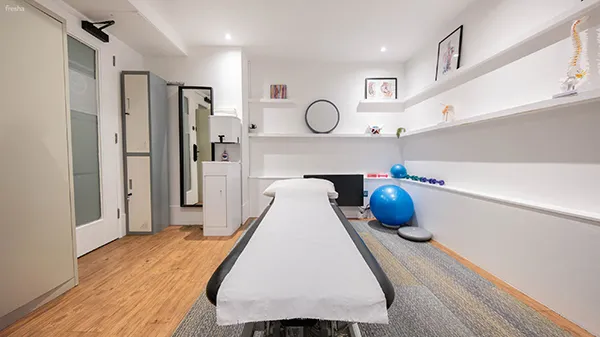
Our clinic is conveniently situated just off of Tottenham Court Road, in between Tottenham Court Road and Goodge Street tube stations.


Meet Your Physio
Fara Sonday is a specialist pelvic health, oncology and musculoskeletal physiotherapist. She has over 20 years experience as a practicing physiotherapist, and is registered with the HCPC, CSP, POGP and Pelvic Floor Society.

What Our Patients Say



Some of Our Treatments
Physiotherapy Prices
Self-funding fees. Payment is taken on the day of treatment. We are recognised providers for most major private healthcare schemes.
Latest Physiotherapy Advice

Diastasis recti after birth: does physiotherapy actually close the gap?
Diastasis recti affects most women after pregnancy. Here is what the current research says about physiotherapy, and how assessment and treatment work in Central London.

Endometriosis pelvic pain: how physiotherapy helps alongside medical treatment
Endometriosis pelvic pain often continues after diagnosis or surgery. Learn how pelvic health physiotherapy in Central London treats the muscle and nerve part of the pain.

Incontinence after prostate surgery: how pelvic floor physio helps
Urinary leakage after prostate surgery is very common and usually temporary, and targeted pelvic floor muscle training, ideally started before the operation, helps most men regain bladder control faster.